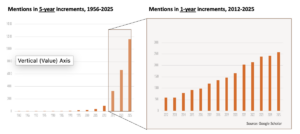
An explosion of research
The institute has been working toward recognition for Food Addiction in the two key diagnostic manuals practically since it was formed in 2005. We could and

The institute has been working toward recognition for Food Addiction in the two key diagnostic manuals practically since it was formed in 2005. We could and

DiFeliceantonio, an appetitive neuroscientist at Virginia Tech, answers questions for Scientific American. Some excerpts: SA: What does it mean to have a “food addiction”? DiFeliceantonio: “When

By Cynthia Myers-Morrison EdDBoard Secretary The metabolic health of children and families is crucial to progress in addressing Food Addiction. Getting Ultra Processed Food Addiction as

By Rachel ShwalbTreasurer I’ve been in recovery most of my adult life. I’ve been sober since 1993 and I stopped eating sugar and flour in 2003.

Dr. Claire Wilcox, psychiatrist, author and researcher at the University of New Mexico, addresses the question in a post for The Conversation. Spoiler alert: “A consensus
How I Overcame Addictive Eating Through 12-Step Recovery This essay was submitted by Amy, a member of Addictive Eaters Anonymous. The Food Addiction Institute does not

KALW screen grab “Your Call,” the long-running public affairs show on KALW-FM, a public radio station in the San Francisco Bay area, hosted three guests who
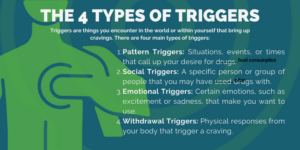
Individually Identified Trigger foods differ for each person, depending on their personal history, physiology, and psychological factors

According to the DSM-5-TR, substance use disorder is diagnosed when a person meets at least two of 11 criteria within a 12-month period
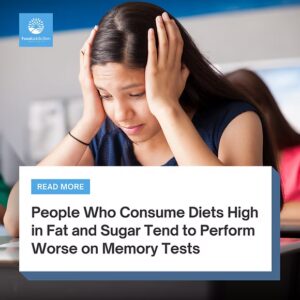
e5b602 3f4ff59f981848e5a54ef23268178b97mv2 Eating foods high in fat and sugar can have negative effects on your brain, especially on the hippocampus, a region involved in memory formation