
THE LONG & RICH HISTORY OF
FOOD ADDICTION
70 Years of Scientific Research, Academic Certifications, Treatment Advances, Scholary Articles, Popular Books, and More
◆ Theron Rudolph (pictured) publishes the first mention of Food Addiction in academic literature in The descriptive features of Food Addiction addictive eating and drinking in the Quarterly Journal of Studies on Alcohol.
◆ Overeaters Anonymous is founded by Rozanne S.
◆ British physiologist John Yudkin, the founding nutrition professor at Queen Elizabeth College, London, gains international attention from his book, “Pure, White, and Deadly,” The book does well, but a 2016 retrospective by the Guardian newspaper in Britain said, “Prominent nutritionists combined with the food industry to destroy his reputation, and his career never recovered. He died, in 1995, a disappointed, largely forgotten man.”
◆ William Dufty writes “Sugar Blues” In it, he describes a sugar-laden diet as substance abuse and likens it to other addictions.
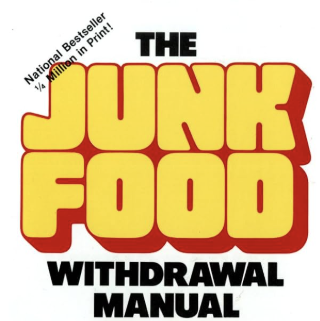
◆ Monte Kline of Seattle, a PhD in nutrition, publishes “The Junk Food Withdrawal Manual,” based on successes in his private practice.
◆ Fred Schnieder organizes a residential Food Addiction program at Glenbeigh Hospital of Tampa. More than 8,000 Food Addicts are treated there over 15 years.
◆ Overeaters Anonymous HOW is founded based on the concept that alcoholism is “a disease of the body as well as the mind,” appealing to OAs favoring the “addictive concept” of overeating.
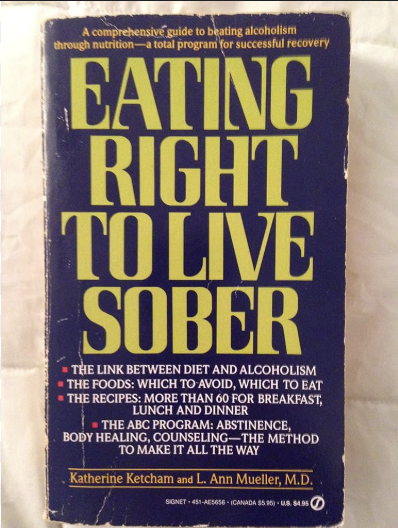
◆ In ”Eating Right to Live Sober,” authors Katherine Ketcham and Ann Mueller show the link between diet and alcoholism recovery.
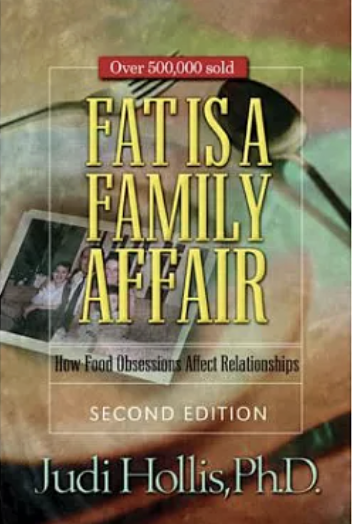
◆ Food Addicts Anonymous F.A.A, is formed by Judith C.
◆ Turning Point of Tampa opens, offering 12 Step-based addiction treatment, including for disordered eating
◆ Pathways in Miami opens near Miami as a halfway-house treatment program for Food Addiction because health insurance industry policies force closure of hospital-based Food Addiction treatment.
◆ A client tells nutritionist H. Theresa Wright about her experience at Glenbeigh Hospital, and asks for adjustments to fit her food plan to her new circumstances. That experience led Wright to learn about and treat Food Addiction for the next three decades and more.
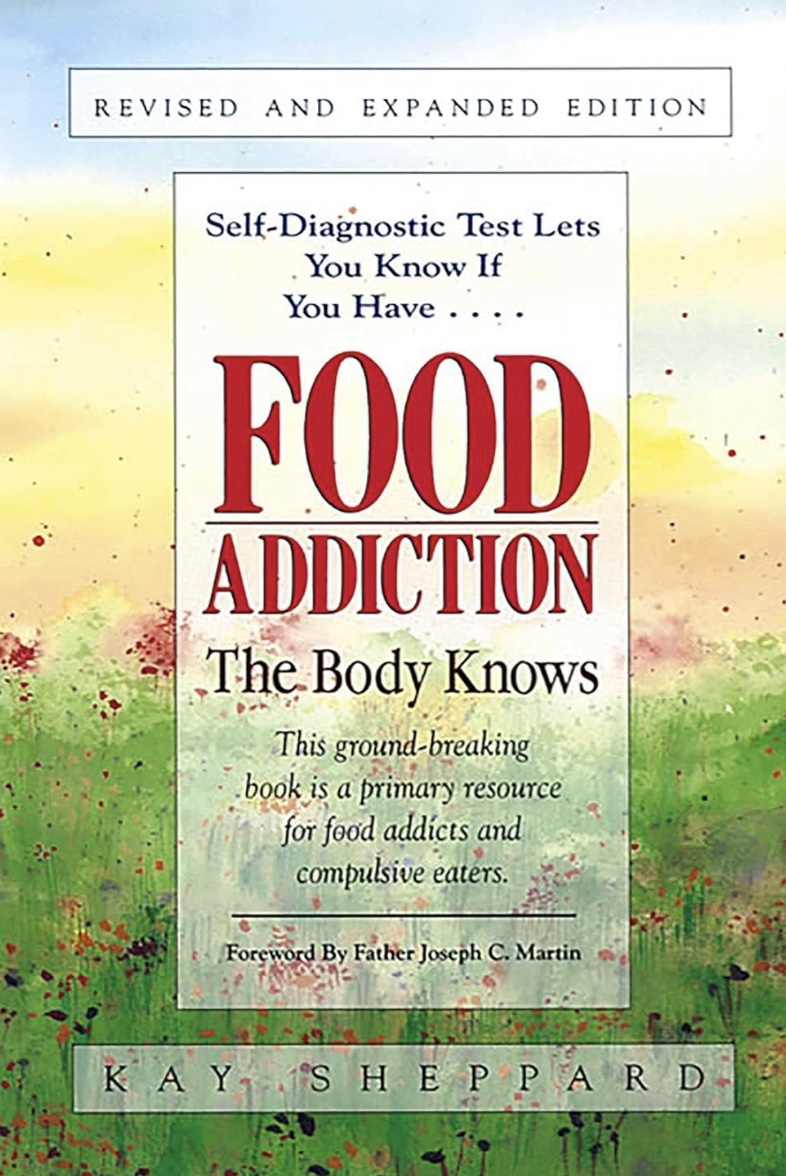
◆ Kay Sheppard, a recovering Food Addict, publishes “Food Addiction: The Body Knows,” the first new approved reading of F.A.A. Her Food Addiction program becomes the first successful online support system for Food Addiction.

◆ H. Theresa Wright founds The Renaissance Center for Personal Growth, Nutrition and Healing to provide individualized food plans, nutrition counseling, training programs, and support groups for compulsive eaters.
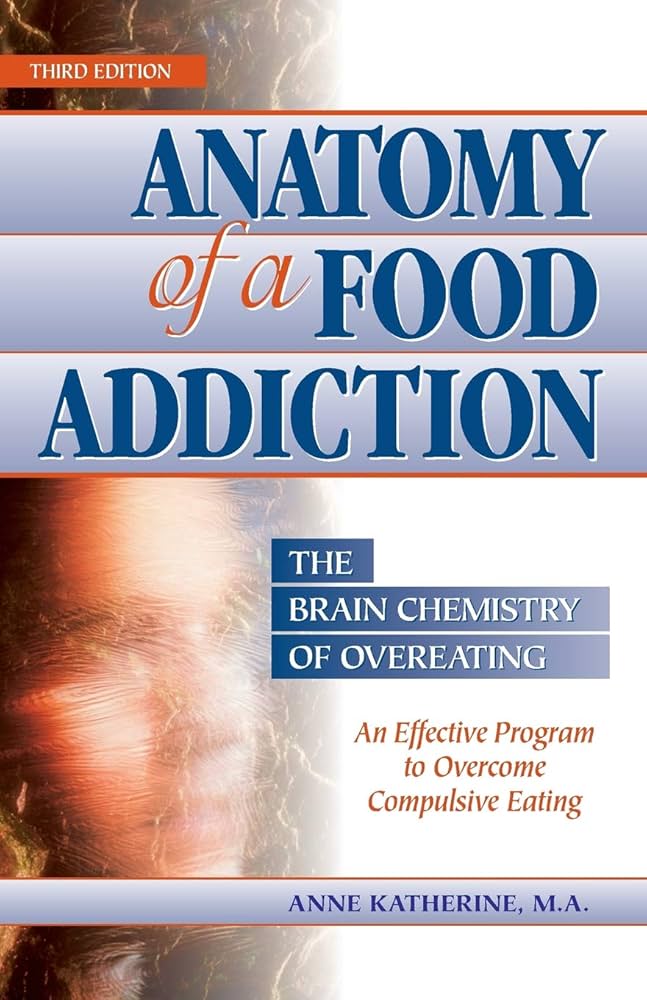
◆ Anne Katherine, a Seattle therapist, publishes “Anatomy of a Food Addiction,” an in-depth discussion of the operation of serotonin in the Food Addict’s mind.
◆ Private health insurance companies start denying coverage for Food Addiction-model treatment, and many hospital-based Food Addiction treatment programs close.
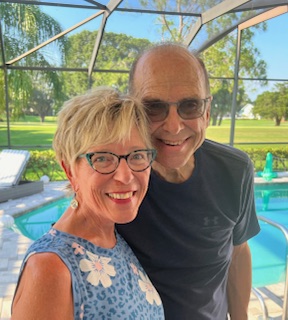
◆ Phil Werdell and Mary Foushi (pictured) co-lead a five-day residential workshop in which seven Food Addicts who were unable to get abstinent in OA achieve a rigorous food abstinence. They realize they have stumbled on the equivalent of alcohol and drug detoxification for Food Addicts.
◆ Anorexics and Bulimics Anonymous, A.B.A., is founded in Edmonton, Canada, using a Twelve Step format. Its members believe they are addicted to unhealthy eating, purging, and exercise practices that provide a feeling of control over their weight/bodies.
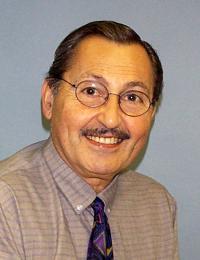
◆ In the International Journal of Eating Disorders, Ernest Noble (pictured, right), et al, publish the first genetic research showing food to be addictive. It identifies a gene marker — the same genetic marker previously shown for alcoholism — for those who are obese and who binge on dense carbohydrates.
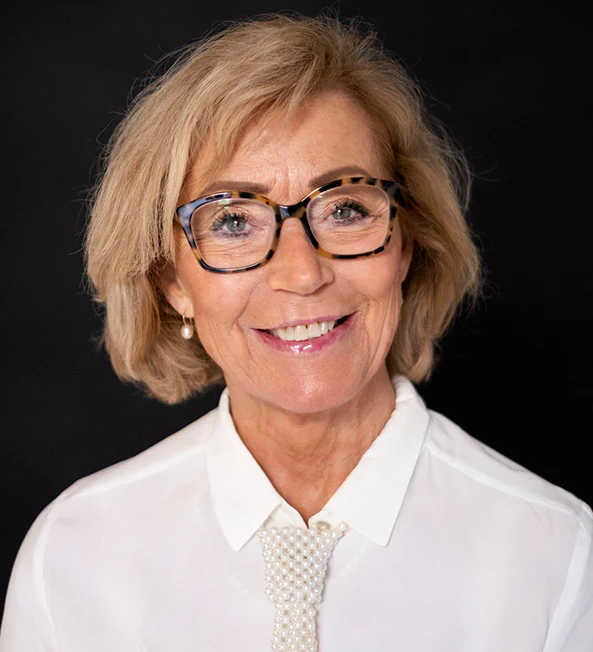
◆ Bitten Jonsson (pictured, left), a nurse in Sweden, starts her first professional treatment program, building on a closed self-help group for food that she’d started in Hudiksvall. She continues to counsel her clients in her sugar/carb addiction holistic treatment model until 2019.
◆ After Glenbeigh Hospital Corp. goes bankrupt, Phil Werdell, Mary Foushi and Pat Lutz found ACORN Food Dependency Recovery Services to provide ongoing support to clients of Glenbeigh and other treatment center alumni on a fee-for-service basis.
◆ Food Addiction 2000, the first national conference on Food Addiction research and education, is held at the University of Medicine and Dentistry of New Jersey. It features speakers such as Kay Sheppard, Ernest Noble, Phil Werdell, and H. Theresa Wright.
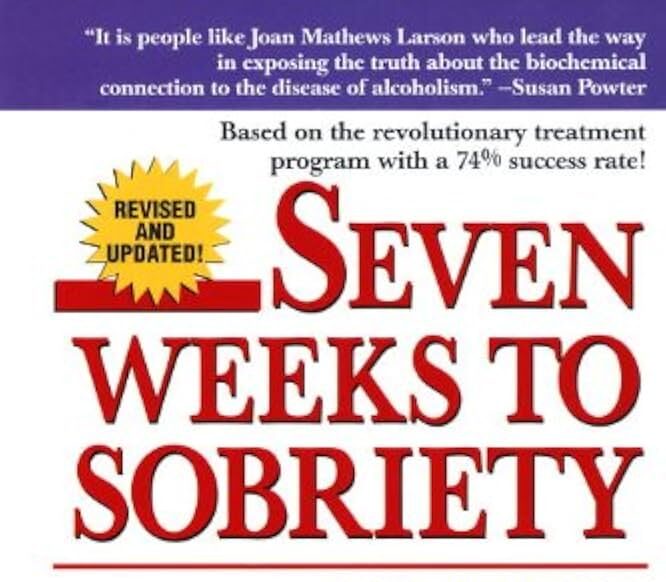
◆ Joan Mathews Larson describes “Seven Weeks to Sobriety,” her self-treatment program to fight alcoholism through nutrition, It has a 75 percent success rate, three times higher than traditional treatment programs.
◆ Food Addicts in Recovery Anonymous (FA) is established by members of OA 90-day meetings in Chelsea, Mass. Members commit to three weighed-and-measured meals a day and no sugar, flour, or alcohol; no mind-altering drugs; and regular participation in temporary groups known as AWOLs (A Way of Life).
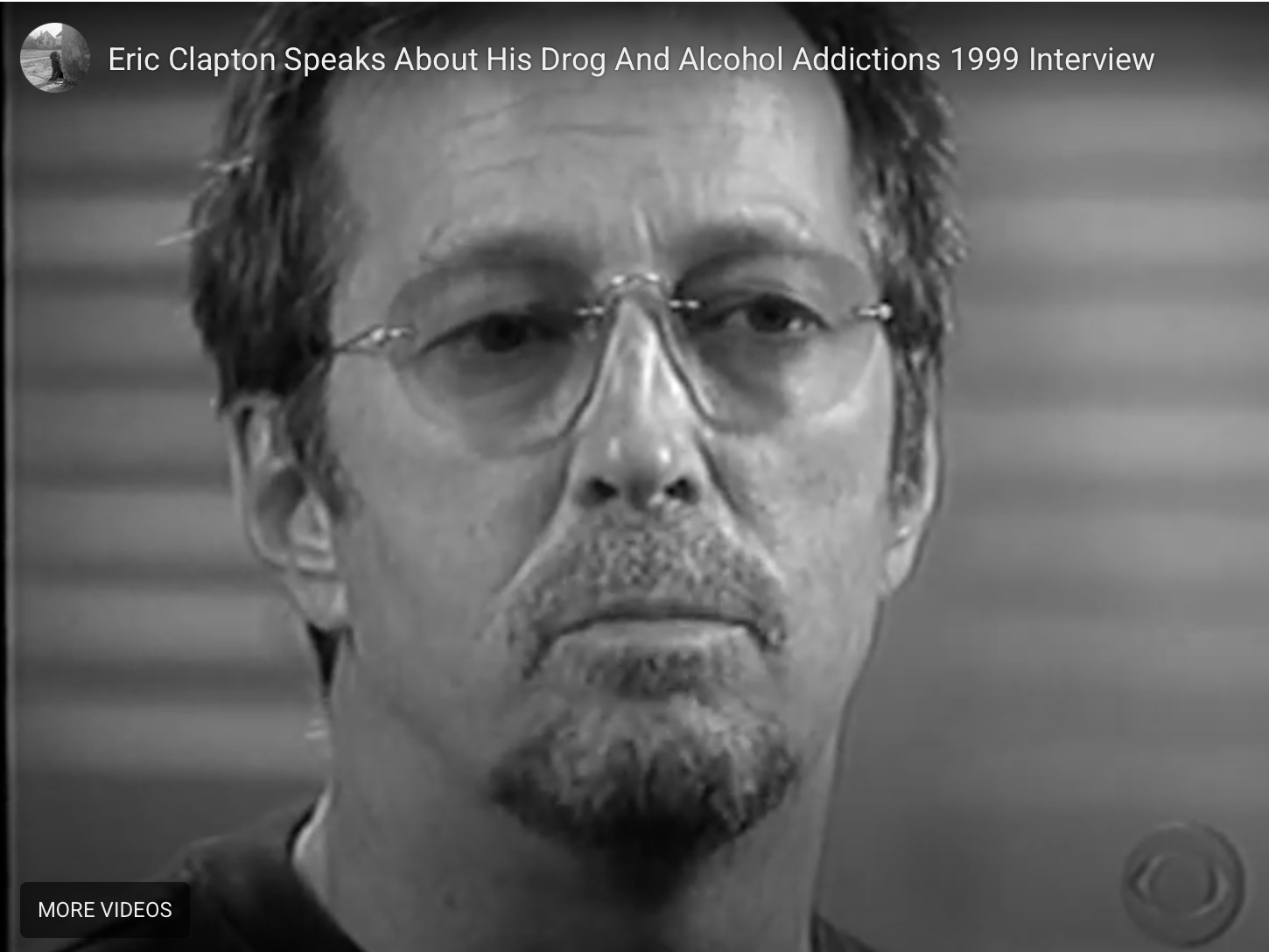
◆ Famed guitarist Eric Clapton (pictured) stuns “60 Minutes” interviewer Ed Bradley when he asks about Clapton’s fabled addiction struggles (at 3:21 of video): “And it started with … heroin?” “Oh no,” Clapton replies. “It started with sugar. When I was 5-, 6-years-old, I was cramming sugar down my throat as fast as I could get it down. … I became addicted to sugar because it changed how I felt.”
◆ Pathways in Miami changes its name to Milestones in Recovery, and still operates today.
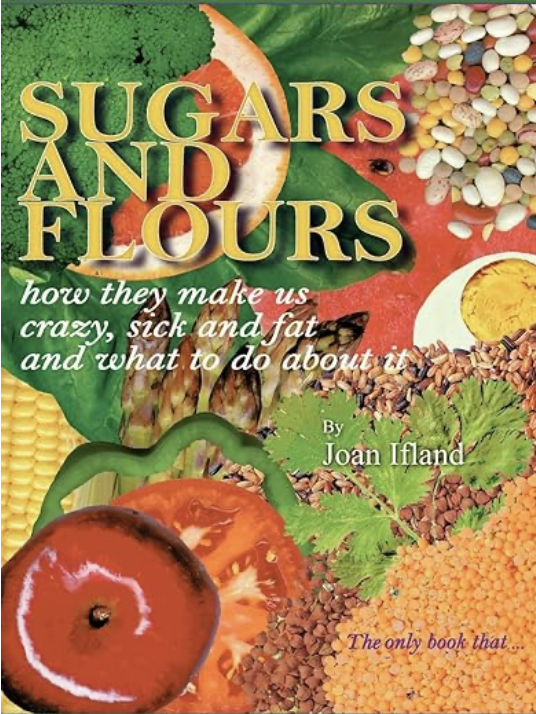
◆ Joan Ifland publishes “Sugars and Flours: How They Make Us Crazy, Sick and Fat and What To Do About It.”
◆ Bart Hoebel (pictured), Nicole Avena, and others at Princeton University publish the first set of comprehensive studies strongly suggesting sugar addiction in rats and a brain mechanism that might underlie it.
◆ After about a decade of success in building its fellowship, Anorexics and Bulimics Anonymous publishes “Anorexics and Bulimics Anonymous: The Fellowship Details Its Program of Recovery for Anorexia and Bulimia.” A key to this Twelve Step program is its acceptance that “the drug of anorexia and bulimia is the feeling of being in control.”
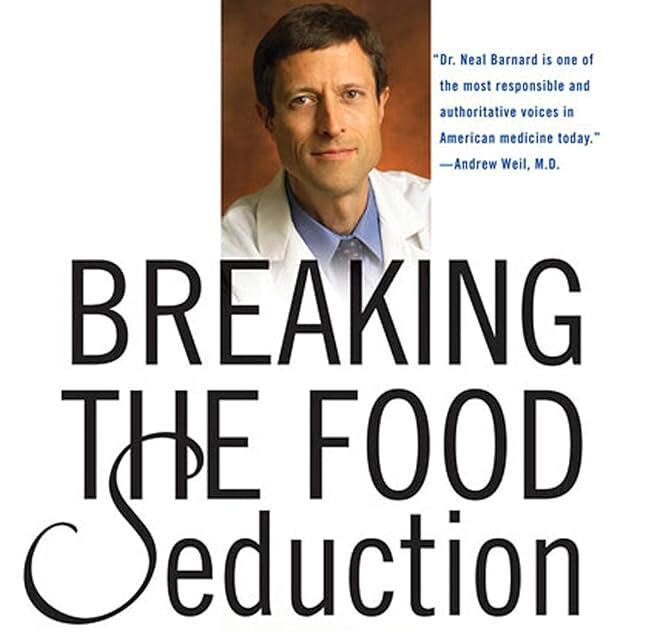
◆ Neal Barnard MD publishes “Breaking the Food Seduction: Hidden Reasons Behind Food Cravings – and 7 Steps to End Them Naturally,” touting veganism as an alternative to those seeking Food Addiction recovery.
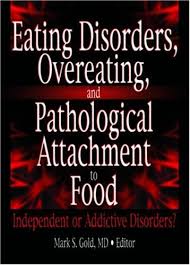
◆ Mark Gold MD edits “Eating Disorders, Overeating, and Pathological Attachment to Food,” a series of peer-reviewed journal articles calling for Food Addiction to be made a substance use disorder in the diagnostic manual of the American Psychiatric Association.
◆ Bitten Jonsson publishes her first book, “Sockerbomben.” (In English: “The Sugar Bomb).”
◆ Kathleen DesMaisons publishes “Little Sugar Addicts,” the first guide to raising children who show signs of chemical dependence on food.
◆ Food Addiction advocates meet in Sarasota, Fla., to found the Food Addiction Institute, with the mission of healing all Food Addicts.
◆ ACORN begins its Professional Training Program for Food Addiction Recovery.
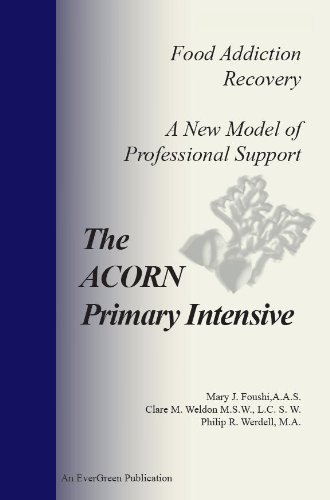
◆ Mary Foushi, Clare Weldon, and Phil Werdell publish “Food Addiction Recovery: A New Model of Professional Support — The ACORN Primary Intensive.”
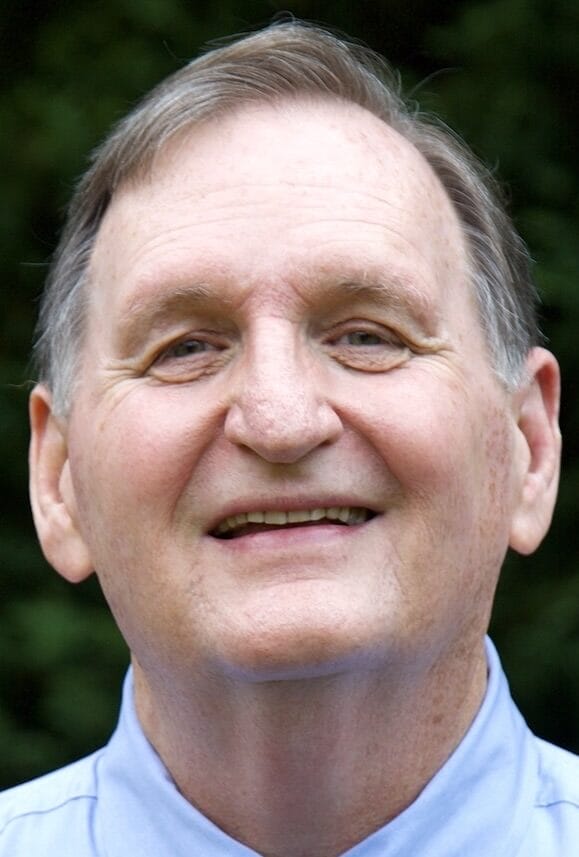
◆ Esther Helga Gudmundsdottir (pictured) opens the MFM Center in Iceland, the world’s first inpatient treatment center devoted to helping Food Addicts.

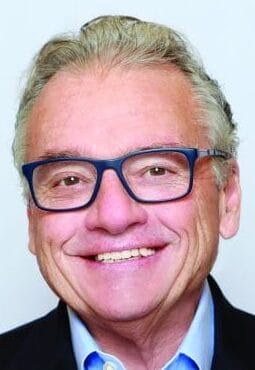
◆ Kelly Brownell (left) and Mark Gold (right) co-host 40 specialists at the Conference at Yale on Food and Addiction, the first where researchers from the nutrition and addiction fields gathered to talk about the science linking food and addiction. Nora Volkow was the keynote speaker.
◆ Members of the FAI/ACORN Professional Training, Joan Ifland of the Refined Food Addiction Research Foundation, and others hold the first “Promising Practices” conference in Houston, and begin the Society of Food Addiction Professionals.
◆ Nora Volkow, Gene-Jack Wang, Joanna Fowler, and Frank Telang publish “Overlapping neuronal circuits in addiction and obesity, evidence of systems pathology,” proposing a common model for drug abuse/addiction and obesity, based on positron emission tomography studies examining dopamine’s role in both.
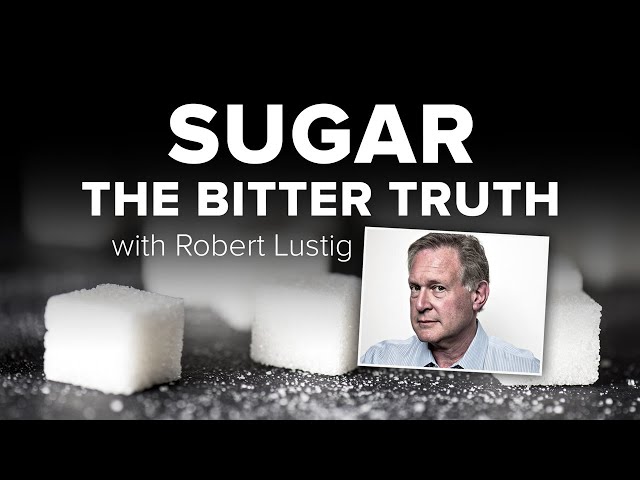
◆ Endocrinologist Robert Lustig records “Sugar, the Bitter Truth,” (pictured, right) which examines the effects of the food environment. By 2025, it had been viewed more than 25 million times.
◆ The Yale Food Addiction Scale is published, giving a way to test for Food Addiction using DSM-4 characteristics of substance use disorders.
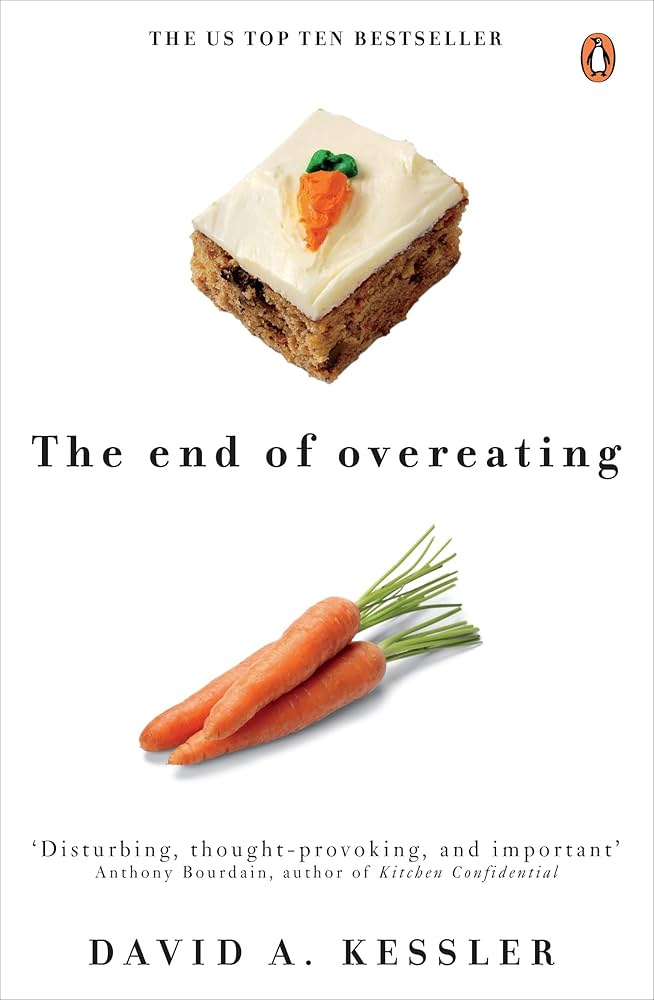
◆ David Kessler, former chief of the US Food and Drug Administration, publishes “The End of Overeating,” (pictured, left) in which he uses the phrase “conditioned hypereating” to describe food industry tactics.
◆ Mark Cheren, et al, publish “Physical Craving and Food Addiction: A Review of the Science” for the Food Addiction Institute.
◆ Phil Werdell‘s “Bariatric Surgery & Food Addiction: Preoperative Considerations” contains assessment instruments for normal eaters, emotional eaters, and Food Addicts.
◆ While promoting his book “My Footprint: Carrying the Weight of the World,” comic actor Jeff Garlin discusses his long struggle with Food Addiction.
◆ Philanthropist Debbi Brainerd hosts 50 leading voices in Food Addiction for a private weekend conference on obesity at Bainbridge Island, Washington. Many are scientists who share their research validating the existence of Food Addiction.
◆ Susan Peirce Thompson begins teaching a college course on The Psychology of Eating and Body Image, with a unit on the neuroscience of Food Addiction, at Monroe Community College in Rochester, N.Y.
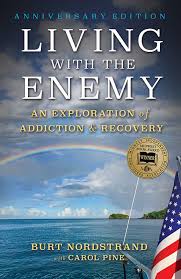
◆ Burt Nordstrand publishes “Living with the Enemy: An Exploration of Addiction and Recovery” (left).
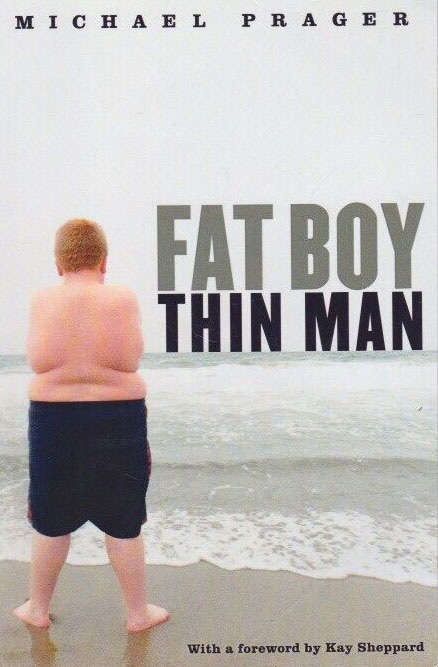
◆ “Fat Boy Thin Man” (right) is published by Michael Prager. Born at the founding meeting of the Food Addiction Institute, the book uses memoir and reporting techniques to make the case of Food Addiction’s existence and personalizes the experience of it.
◆ A conference on Food Addiction is held at Bifrost University in Iceland, at which Phil Werdell, Mary Foushi, and Esther Helga Gudmunsdottir speak on the problem and the solution.
◆ American Society of Addiction Medicine declares addiction a “brain disease,” including clear confirmation that Food Addiction is a disease alongside alcoholism, drug addiction, and many others.
◆ “Addicted to Food,” a ten-week reality show based on the six-day Intensive of Shades of Hope facilitated by Tennie McCarty, airs on the Oprah Winfrey Network.
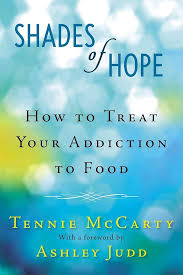
◆ Tennie McCarty publishes “Shades of Hope: How to Treat Your Addiction to Food” (pictured, right).
◆ The Food Addiction Institute launches www.foodaddictioninstitute.org.
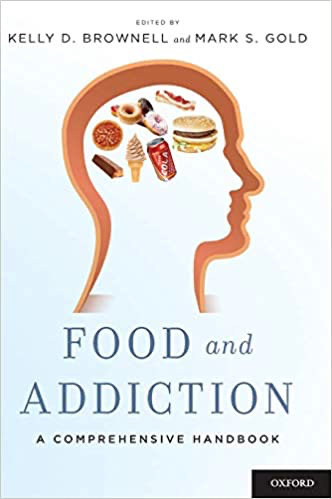
◆ Kelly Brownell of the Rudd Center for Obesity Policy at Yale University and Mark Gold of the McKnight Brain Research Center at the University of Florida publish“Food and Addiction: A Comprehensive Handbook” (Oxford University Press, pictured, left), the first medical text on Food Addiction. A second edition was published in 2024.
◆ Bitten Jonsson begins offering Holistic Medicine for Addiction, a training for Food Addiction professionals.
◆ The American Psychiatric Association includes Binge Eating Disorder in the Diagnostic and Statistical Manual of Mental Disorders Fifth Edition (DSM 5), stating that many eating disorders also have the characteristics of food as a substance use disorder.
◆ Food Addicts in Recovery Anonymous (FA) publishes “Food Addicts in Recovery Anonymous,” also known as the “grey book.”
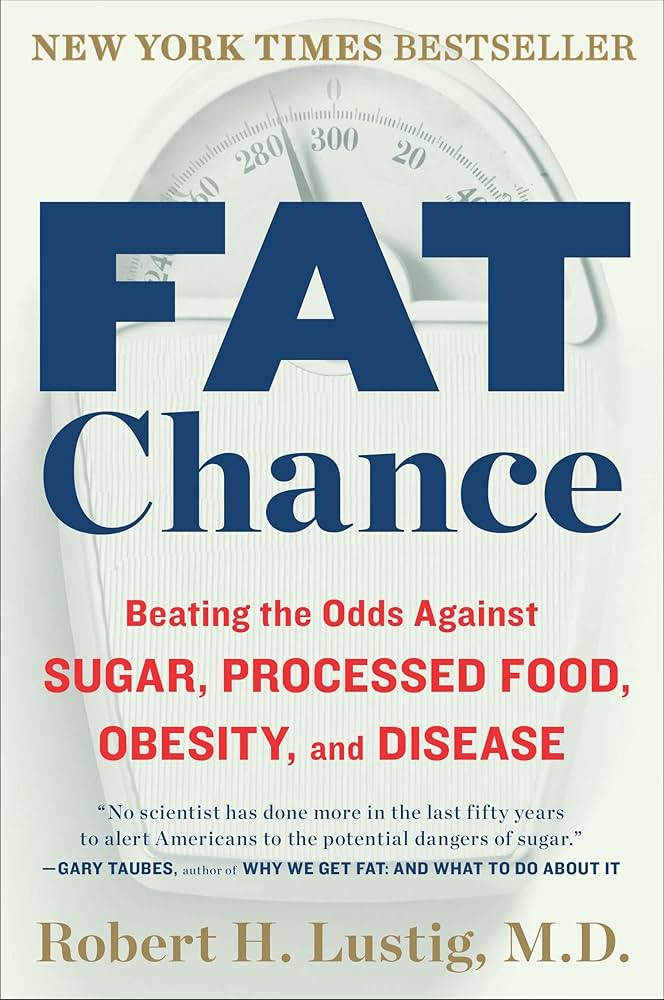
◆ Robert Lustig publishes “Fat Chance, Beating the Odds Against Sugar, Processed Food, Obesity, and Disease,” (pictured, right) in which he says the obesity pandemic is due to our altered biochemistry, which is a result of our altered environment.
◆ Bitten Jonsson introduces SUGAR (Sugar Use General Assessment Recording), “a comprehensive diagnostic assessment tool for sugar addiction.”
◆ Raja Batarseh (pictured, left), a member of the ACORN/FAI Food Addiction professional training, begins offering a 12-week course on “Normal Eaters, Emotional Eaters, Food Addicts” in Amman, Jordan. Batarseh also published the first Arabic book to introduce Food Addiction to the Arabic-speaking world.
◆ Gearhardt, Boswell, and White’s article “The association of ‘Food Addiction’ with disordered eating and body mass index” appears in Eating Behaviors, 15(3), 427-433.”
◆ Marty Lerner writes “A Guide to Eating Disorder Recovery: Defining the Problem and Finding the Solution,” Milestones in Recovery. A second edition, A Guide to Eating Disorders, Food Addiction, and Ultra-Processed Food Dependency: Defining the Problem, Finding the Solution,” comes out in 2024.
◆ The American Medical Association approves obesity as a diagnosable medical disease.
◆ At the conclusion of a conference on Food Addiction held at Reykjavik University, attendees establish Matarheill, an organization of health professionals advocating for Food Addiction’s inclusion in Iceland’s national healthcare system.
◆ The ACORN Professional Training Program holds a special primary intensive in conjunction with the Florida School of Addiction Studies, adding an academic dimension to its training and certification program.
◆ Phil Werdell teaches the first full college course on Food Addiction at Springfield College’s School of Human Services.
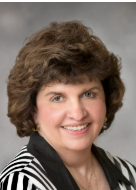
◆ H. Theresa Wright is asked to write an appendix to the Overeaters Anonymous “Beloved Brown Book” and to assist with the creation of “Dignity of Choice,” OA’s pamphlet about food plans.
◆ The University of Massachusetts School of Medicine and the Food Addiction Institute cosponsor the conference “The Missing Piece in Response to the Obesity Epidemic: Diagnosing and Treating Food Addiction.”
◆ Vera Tarman MD and Phil Werdell write “Food Junkies: The Truth About Food Addiction.”
◆ Susan Peirce Thompson founds Bright Line Eating. It is the first commercial weight loss program to use a model based on abstinence, Food Addiction treatment, and recovery to help people with an addictive relationship with food to lose weight and keep it off.
◆ The University of Massachusetts Medical School and the Food Addiction Institute cosponsor a second conference: “Diagnosing and Treating Food Addiction: A Toolkit for Physicians, Dietitians, Therapists and Other Health Professionals.”
◆ Food Addicts in Recovery Anonymous (FA) publishes “Food Addicts in Recovery Anonymous.”
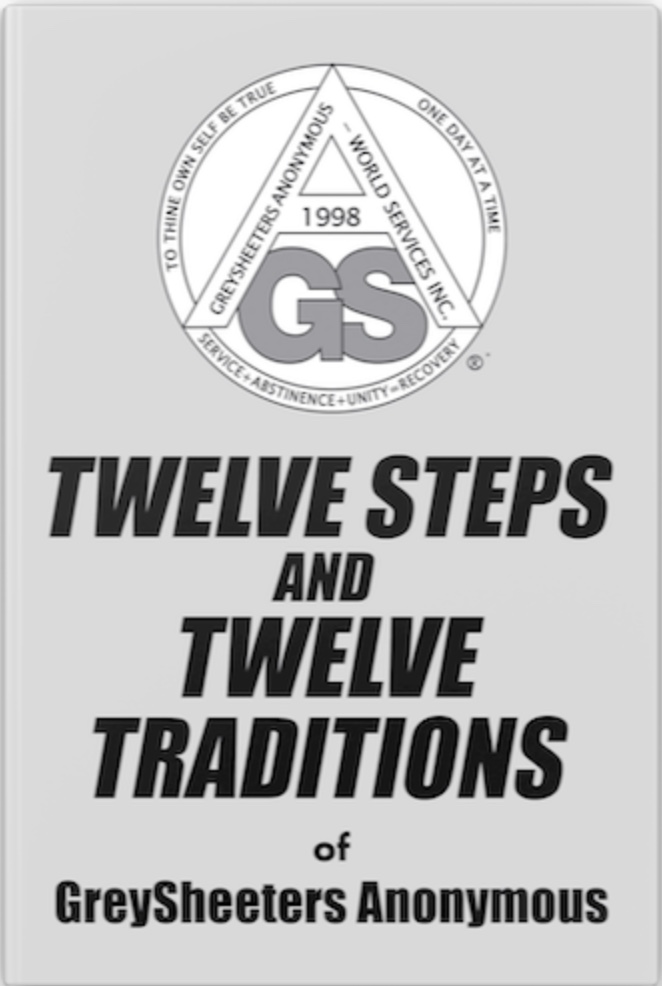
◆ The Twelve Steps and Twelve Traditions of Greysheeters Anonymous is published.
◆ David Unwin (pictured), David Haslam, and Geoffrey Livesey publish a study that revisits the glycemic index vis a vis diabetes and obesity. It leads to a series of infographics published by the Public Health Collaborative, based in London.
◆ Under the directorship of Vera Tarman, Renascent, an addiction center in Toronto, opens an inpatient treatment program for Food Addicts, the first in Canada.
◆ The National Center on Addiction and Substance Abuse (CASA) issues “Understanding and Addressing Food Addiction: A Scientific Approach to Policy, Practice and Research” a white paper recommending addiction-model treatment.
◆ Esther Helga Gudmundsdottir opens the INFACT School, the International School for Addiction Counseling and Treatment; as of 2025, it had produced more than 130 Certified Food Addiction Professionals from almost 20 countries. The INFACT School podcast, Food Addiction, the Problem and the Solution, features many professionals who study Food Addiction and those who have recovered.

◆ The European Certification Board accepts certain foods in its substance-use-disorder definition, and certifies INFACT School graduates as Food Addiction Professionals.
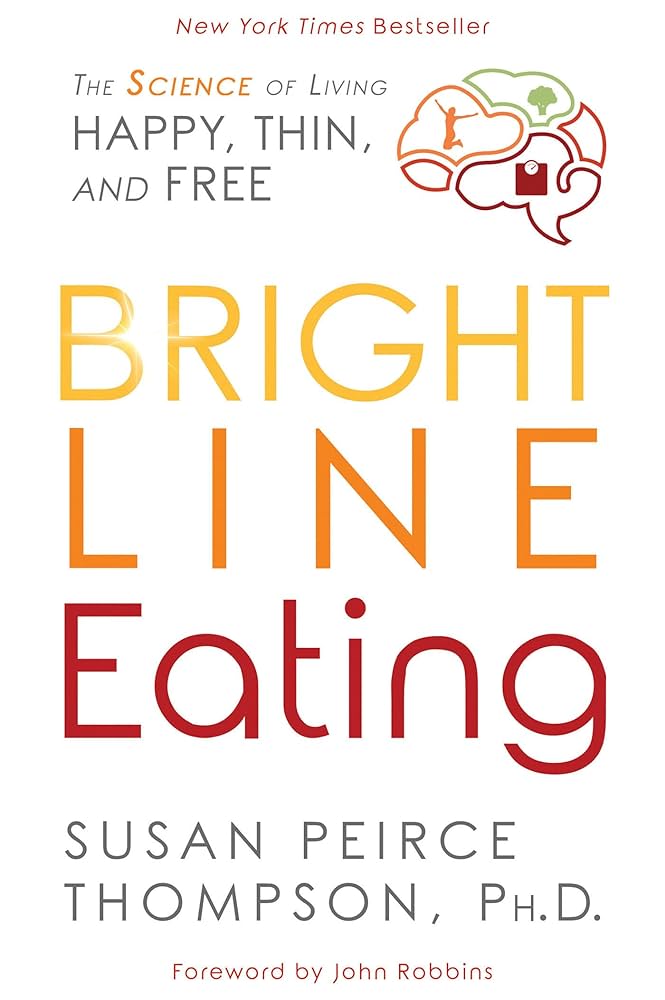
◆ Susan Peirce Thompson publishes Bright Line Eating: The Science of Living Happy, Thin, and Free.” It becomes the first book on Food Addiction to hit the New York Times bestsellers list.
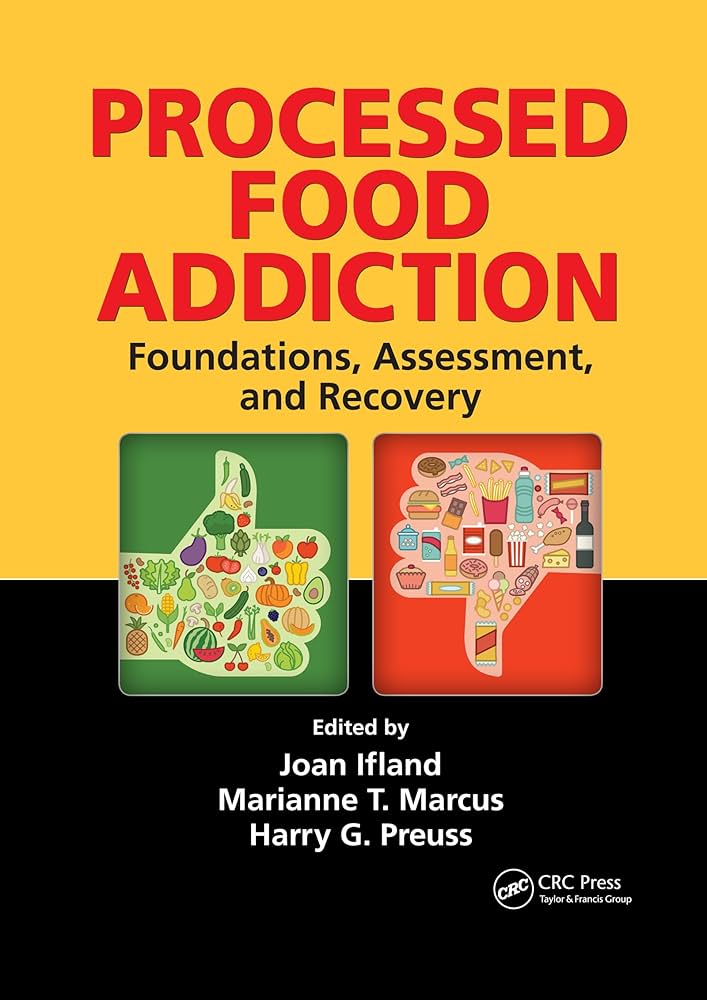
◆ Ifland, Marcus, and Preuss publish “Processed Food Addiction: Foundations, Assessment, and Recovery.”
◆ Mary Foushi and Amanda Leith write “Handbook for SHiFT, Recovery by ACORN, Primary Intensive.”
◆ The Bright Line Eating email list hits 2 million all-time sign-ups.
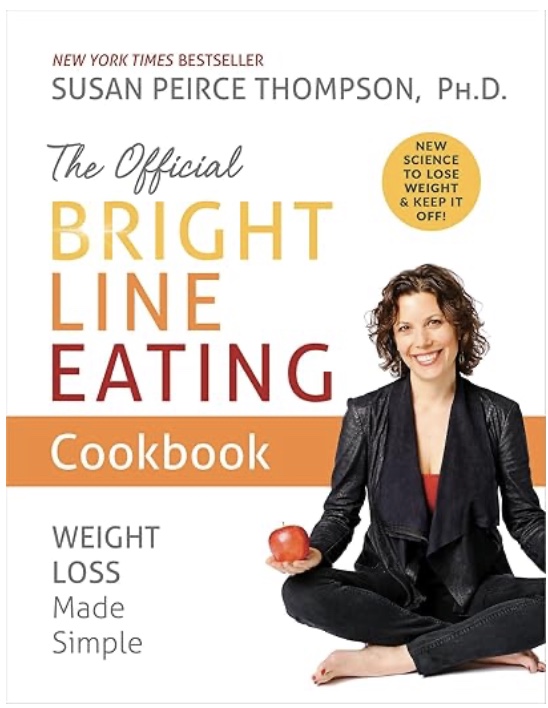
◆ “The Official Bright Line Eating Cookbook: Weight Loss Made Simple” becomes the first cookbook for Food Addicts on the New York Times bestsellers list.
◆ Vera Tarman publishes a second edition of “Food Junkies, Recovery From Food Addiction.”
◆ The New Jersey Addiction Professionals Certification Board certifies licensed graduates of the INFACT School as Certified Food Addiction Professionals.
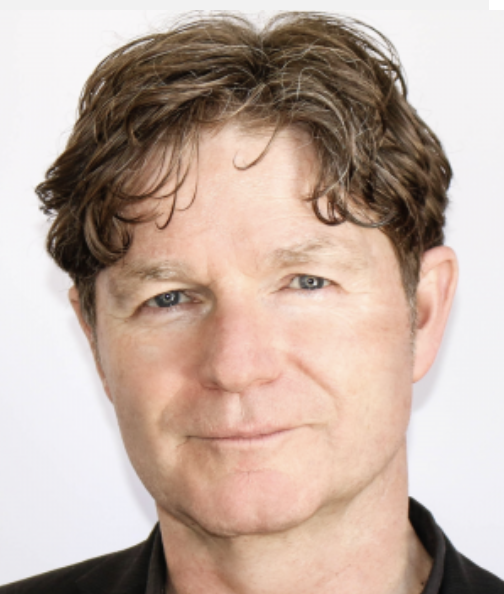
◆ John F. Kelly (pictured) and colleagues publish “Alcoholics Anonymous and other 12-step programs for alcohol use disorder,” which finds that Twelve Step-facilitated treatment is the most effective over the long term.

◆ Anna Fruehling, Dave Wolfe, and Judy Wolfe found SUGARxGlobal.com, a 24/7 worldwide virtual community focusing on a holistic approach to sugar/Food Addiction.
◆ The Food Addiction Institute and The Collaborative Health Community, based in London, file with the World Health Organization for recognition of “Disorders Due to the Harmful Use of Foods.” The World Health Organization rejects the application.
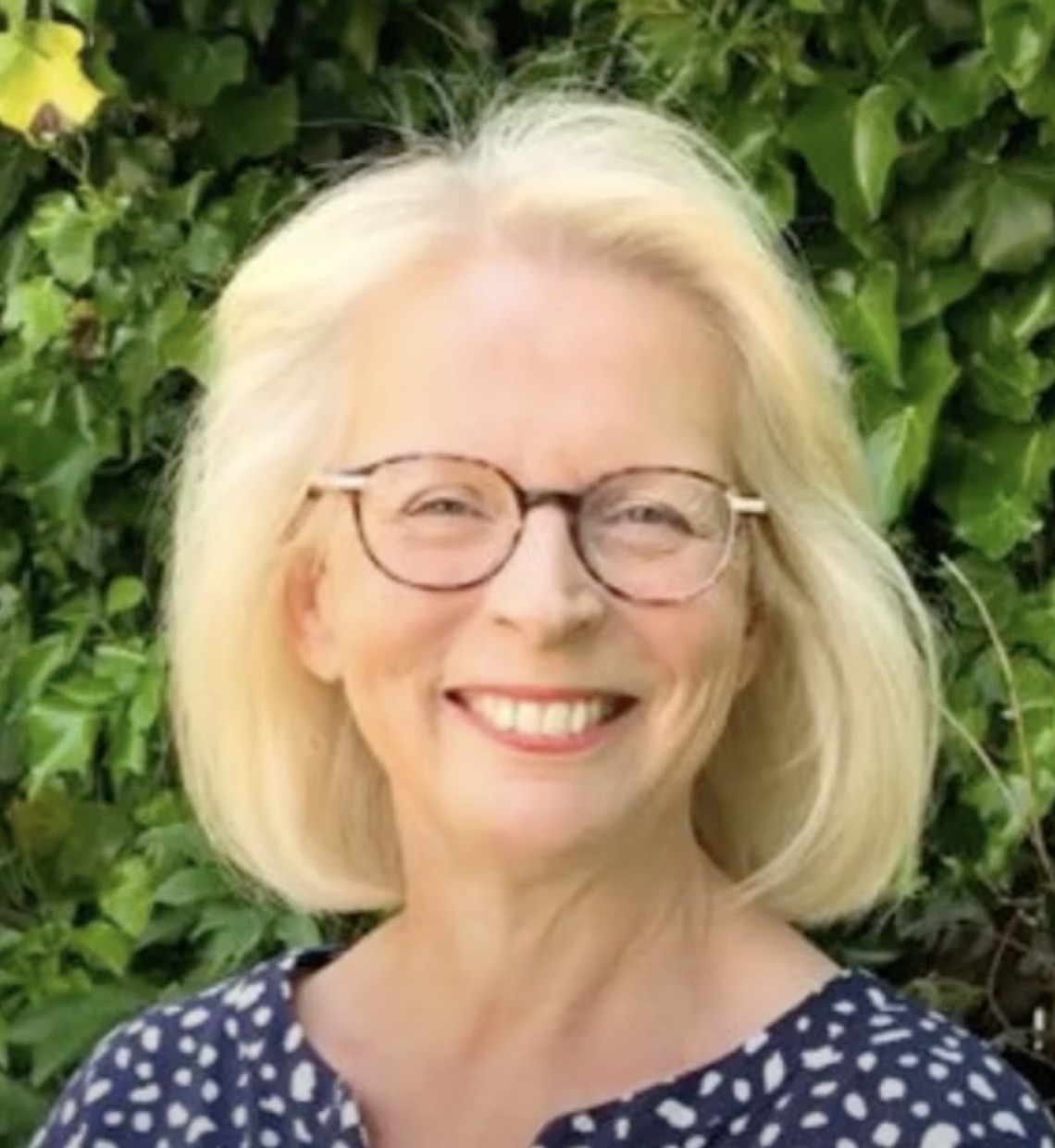
◆ Jen Unwin (pictured, right), a clinical psychologist and lifelong carbohydrate addict, publishes “Fork in the Road.”
◆ Susan Peirce Thompson publishes “REZOOM: The Powerful Reframe
to End the Crash-and-Burn Cycle of Food Addiction,” focusing on relapse treatment and prevention.
◆ Claire Wilcox, a writer and addiction psychiatrist in Placitas, N.M., publishes “Food Addiction, Obesity and Disorders of Overeating: An Evidence Based Assessment and Clinical Guide.”
◆ Vera Tarman, Molly Painschab, and Clarissa Kennedy begin the “Food Junkies Podcast,” which, by mid-2025, has more than 800,000 downloads.
◆ The Public Health Collaborative’s Conference on Food Addiction is held in Bristol, England.
◆ Chris van Tulleken publishes “Ultra Processed People,” which explores the origins, science, and economics of ultra-processed food to reveal its effects on our bodies and the planet.
◆ The Collaborative Health Community convenes The International Food Addiction Consensus Conference in London, which concludes with near-unanimous agreement among invited experts to begin using the term “Ultra-Processed Food Addiction.”
◆ H. Theresa Wright publishes “The Sane Food Solution,” explaining the basics of Food Addiction, and providing a compassionate and effective approach for recovery.
◆ The American Psychiatric Association begins offering Food Addiction, A New Substance Use Disorder, as an online course. It draws from a presentation by Ashley Gearhardt, Nora Volkow, Gene-Jack Wang, and George Koob at the APA’s 2023 meeting.
◆ Eighteen speakers over two days address the Food Addiction Solutions event, “International Food Addiction and Comorbidities Conference,” in London.
◆ The Collaborative Health Community responds to the World Health Organization’s rejection of its bid for recognition of “Disorders Due to the Harmful Use of Foods,” and petitions anew.
◆ A 12-month followup study by David A. Wiss, Jen Unwin, Molly Painschab, and others shows low-carbohydrate and psychoeducational programs hold promise for the treatment of Ultra-Processed Food Addiction.
◆ Esther Helga Gudmundsdottir informs the INFACT School community that she is stepping away from its leadership, 10 years after founding it.