
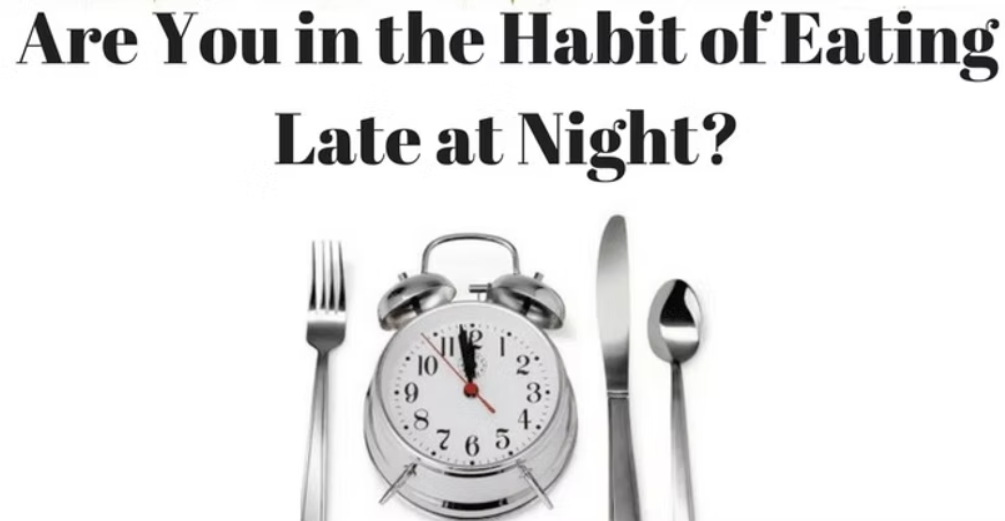
Later Meal Times Linked to Increased Risk of Cardiovascular Disease Later Meal Times Linked to Increased Risk of Cardiovascular Disease Eating late at night can have serious consequences for your health, not only increasing the risk of diabetes, heart disease, and acid reflux, but also impairing your memory and cognition. Cardiovascular diseases are the leading cause of death in the world, according to the Global Burden of Disease study, with 18.6 million annual deaths in 2019, of which around 7.9 million are attributable to diet. When you eat late, you disrupt your sleep quality and may experience weird dreams. You also raise your blood pressure if you eat dinner after 8 pm, according to some studies. Furthermore, you may feel more hungry the next morning, because eating late produces more glucose and a hormone called “ghrelin” that stimulates your appetite, leading to weight gain. The hormone ghrelin, which controls our appetite, and the hormone leptin, which tells our brain we are full, were affected by eating later. This made the subjects feel hungrier when they were awake. They also used up calories more slowly and had changes in their fat tissue genes. These changes made it easier for them to store fat and gain weight. A recent study suggests that eating breakfast earlier can reduce the risk of developing heart problems, regardless of other lifestyle factors. The study used data from 103,389 people who reported their meal times and health outcomes over a 10-year period. The researchers found that every hour delay in breakfast or dinner was associated with a 5% and 4% increase in the risk of cardiovascular disease, respectively. The findings were independent of other factors such as calorie intake, physical activity, smoking, and sleep duration. The researchers speculated that eating earlier may help synchronize the body’s circadian rhythms, which regulate metabolism, blood pressure, and inflammation. The study suggests that adjusting meal times may be a simple and effective way to improve cardiovascular health, especially for people who are at higher risk due to genetics or medical conditions. metabolic Graphical abstract from Late Isocaloric Eating Increases Hunger, Decreases Energy Expenditure, and Modifies Metabolic Pathways in Adults with Overweight and Obesity.” Cell Metabolism, vol. 34, no. 10, Oct. 2022, pp. 1486-1498.e7 Chrononutrition is a new dimension of nutrition that takes into account not only what you eat, but also when you eat it. It refers to the relationships among food, metabolism, meal timing, and the body’s circadian rhythm. The circadian rhythm is the internal clock that regulates various biological processes, such as sleep, body temperature, hormones, and appetite. According to chrononutrition, eating in sync with the circadian rhythm can have positive effects on health, such as reducing the risk of chronic diseases like diabetes and hypertension, improving sleep quality, and aiding weight loss. The concept also suggests that eating within a restricted window of time, preferably earlier in the day, can help optimize the body’s metabolic functions and prevent disruptions in the circadian rhythm. Chrononutrition is not the same as intermittent fasting, which involves prolonged periods of food restriction that may ignore the body’s natural cycles. It is based on scientific evidence that shows how different nutrients are processed differently by the body at different times of the day. internal clock that regulates various biological processes, such as sleep, body temperature, hormones, and appetite. For example, carbohydrates are better tolerated in the morning than in the evening, and protein intake can affect melatonin production at night. If you want to stay healthy, eat breakfast earlier and avoid eating dinner too late. Many people who eat late at night suffer from acid reflux, a common condition that causes symptoms such as: heartburn, indigestion, postnasal drip, hoarseness, difficulty in swallowing, chronic throat clearing, coughing, and asthma. But that’s not all. Eating dinner late can also: make you gain weight, raise your insulin and cholesterol levels, which can lead to diabetes and heart disease. harm your brain and affect your memory and cognitive functions disrupt your sleep quality and cause you to have weird dreams. increase your blood pressure. make you feel more hungry the next morning. cause your body to produce more glucose that stimulates the ghrelin hormone, which makes you crave more food, which in turn leads to weight gain. Palomar-Cros, A., Andreeva, V.A., Fezeu, L.K. et al. Dietary circadian rhythms and cardiovascular disease risk in the prospective NutriNet-Santé cohort. Nat Commun 14, 7899 (2023). https://doi.org/10.1038/s41467-023-43444-3 Download s41467-023-43444-3 Vujović, Nina, et al. “Late Isocaloric Eating Increases Hunger, Decreases Energy Expenditure, and Modifies Metabolic Pathways in Adults with Overweight and Obesity.” Cell Metabolism, vol. 34, no. 10, Oct. 2022, pp. 1486–1498.e7. DOI.org (Crossref), https://doi.org/10.1016/j.cmet.2022.09.007. Download PIIS1550413122003977 Roth, G. A., Mensah, G. A., Johnson, C. O., Addolorato, G., Ammirati, E., Baddour, L. M., … Benziger, C. P. (2020). Global Burden of Cardiovascular Diseases and Risk Factors, 1990–2019. Journal of the American College of Cardiology. doi:10.1016/j.jacc.2020.11.010 Download 10.1016_j.jacc.2020.11.010.pdf Roenneberg, T., Kuehnle, T., Juda, M., Kantermann, T., Allebrandt, K., Gordijn, M., & Merrow, M. (2007). Epidemiology of the human circadian clock. Sleep Medicine Reviews, 11(6), 429–438. doi:10.1016/j.smrv.2007.07.005 Download roenneberg2007.pdf
The “Addict Brain” Highjacks Our Brains Like a Computer Virus
The “Addict Brain” Highjacks Our Brains Like a Computer Virus Episode 18: Dr. Paul Early is showcased on the Food Addiction: The Problem and The Solution podcast foodAddication1212 We are thrilled to bring you Episode 18 of the Food Addiction Podcast, featuring the esteemed Addiction Medicine Physician, Dr. Paul H. Earley. With over 30 years of experience in the field, Dr. Earley specializes in the assessment and treatment of addiction in healthcare professionals. Dr. Earley Dr. Earley delves into the heart of addiction, shedding light on its devastating impact. He guides us on the journey to recovery, helping individuals and their loved ones reclaim their lives, align their behaviors with their values, and experience the profound freedom, joy, and peace that come with successful sustained recovery. Listen to the full episode on the Infact School Youtube Channel See all the episodes on the Infact podcast page. Listeners can also listen to the podcast on the INFACT School website and on the Mobile Infact School on Spaces by Wix. infact school Subscribe wherever you get your podcasts! The podcast is available on most podcast platforms including Apple, Spotify, iHeart, Amazon, Google, Pandora, and Podtail. certied infact https://www.hopp.bio/infact
Impaired Control
Impaired control is a term that describes the difficulty or inability to regulate one’s behavior or impulses, especially in relation to substance use. Impaired control can manifest as cravings, loss of control over the amount or frequency of use, unsuccessful attempts to quit or cut down, and continued use despite negative consequences. Impaired control with food parallels substance use abuse. Some people may experience impaired control over their food consumption, leading to binge eating, obesity, or other eating disorders. Food consumption choices, quantities, and timing can trigger the same reward pathways in the brain as substance use, releasing dopamine and other neurotransmitters that create a sense of pleasure and satisfaction. Over time, this can lead to changes in the brain’s structure and function, making it harder to resist the urge to eat or to stop eating when full. Food consumption choices can also be influenced by psychological, social, and environmental factors, such as stress, mood, peer pressure, availability, and marketing. These factors can increase the likelihood of eating for reasons other than hunger or nutrition, such as coping, comfort, or reward. Unregulated food consumption can progress to become a maladaptive habit or an addiction, interfering with one’s health, well-being, and quality of life. This means that a person with food addiction may have difficulty regulating their intake of certain foods, especially those that are individually identified trigger foods, as well as those high in fat, sugar, or salt especially when they are in a vulnerable mental or emotional situation. Food addicts at any stage of severity may also experience intense cravings for these foods, eat more than they intended or planned, and continue to eat despite negative consequences such as health problems, guilt, or shame. The four main categories of criteria for substance use disorder in the DSM-5 Impaired Control Physical dependence Social problems Risky use. To be diagnosed with a substance use disorder, a person must meet at least two of the 11 criteria within a 12-month period. Impaired control includes four criteria: taking larger amounts or for longer periods than intended, unsuccessful efforts to cut down or stop, spending a lot of time obtaining, using, or recovering from the substance, and having strong urges or cravings to use . Impaired control over food consumption can have serious consequences for a person’s physical and mental health, as well as their social and occupational functioning. Impaired control can lead to obesity, diabetes, cardiovascular disease, and other chronic conditions. Impaired control can also cause psychological distress, low self-esteem, depression, anxiety, and eating disorders. Impaired control can also interfere with a person’s relationships, work, school, or hobbies, as they may isolate themselves, neglect their responsibilities, or avoid situations where they may be tempted or judged by others.

Vanessa Kredler
Edit Template Australia https://www.vanessakredler.com hello@vanessakredler.com +61 498 877 404 Vanessa is a clinical counsellor registered with the Psychotherapy and Counselling Federation of Australia. Her specialty is Ultra-Processed Food Addiction — the addiction that brought her into recovery. Her work is trauma-informed, person-centred, and grounded in Internal Family Systems. Vanessa holds an MA in Counselling (UNE), is a Certified Food Addiction Counsellor (INFACT), and is trained to Level 2 in Internal Family Systems and polyvagal-informed practice.
Social Impairment
One of the symptoms of food addiction is social impairment. Social impairment is the difficulty or inability to interact with others in a normal or appropriate way. Food addiction is a progressive disease of substance abuse which can have serious consequences for one’s physical and mental health, as well as one’s social relationships. Social impairment can manifest in various ways, such as: Isolation: This can result in loneliness, depression, and reduced social support. Conflict: This can result in strained or broken relationships, and increased stress and anxiety. Impairment: Food addicts may have difficulty performing their social roles or responsibilities due to their food addiction. They may neglect their work, school, or household duties, or miss important events or appointments. They may also have trouble concentrating, communicating, or making decisions. This can result in poor performance, low self-esteem, and reduced opportunities. Food addiction as it progresses in severity can have a negative impact on one’s social life, and vice versa. The lack of social connection and support can make it harder to cope with the challenges of food addiction, and create a vicious cycle of increasingly addictive behaviors with food consumption, emotional eating and isolation. People with food addiction may experience: Decreased performance at work or school due to spending much time or activity to obtain, use, or recover from the effects of eating Important social, occupational, or recreational activities given up or reduced due to eating Failure to fulfill major role obligations at work, school, or home due to eating Isolation from loved ones, division within family units, lack of enjoyment in hobbies or activities once enjoyed, and avoidance of social events or functions due to shame, guilt, or fear of being judged for their eating behavior Risk of jeopardizing finances or career due to spending excessive amounts of money on food or losing control over their eating behavior Social impairment is an understudied and less commonly reported symptom of food addiction, which appears to increase in frequency with weight concerns, disordered eating, significant distress, or impairment associated with progressive severity of food addiction. Social impairment is one of the indicators of the severity and chronicity of food addiction and may require professional help and treatment.
Jennifer Kranc
Edit Template Unhooked Eating Telephone Email Website Registered Nutritionist, Certified Food Addiction Professional
Risky Use
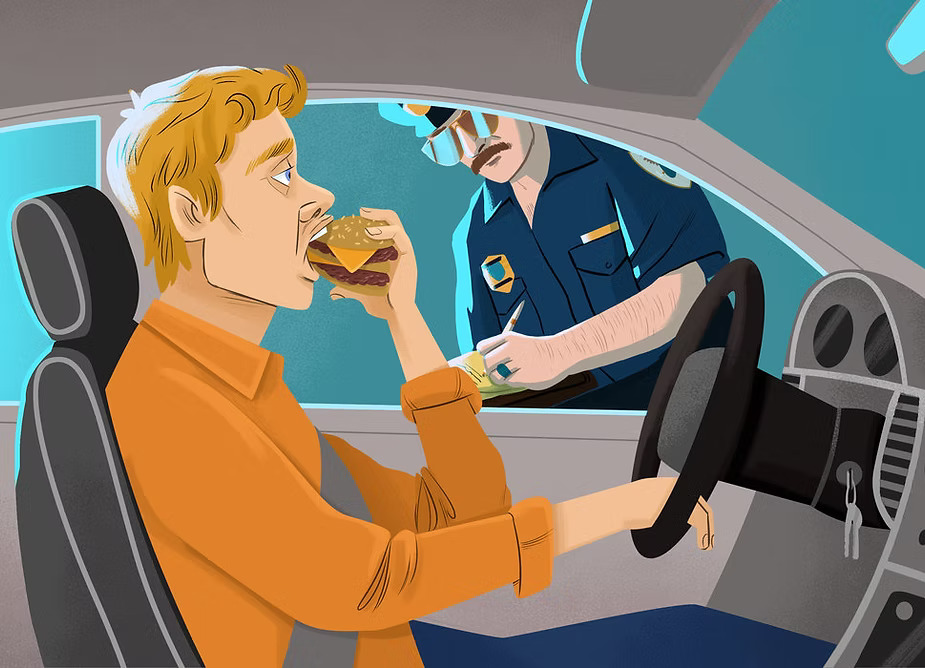
e5b602 0c9b8b7ab80d4e22bfc358caa5249c93mv2 One of the criteria for diagnosing a substance use disorder is risky use. This means that you continuous use despite negative effects over own health, and reduced control over consumption, such as using the substance in situations where it is physically hazardous, like driving or operating machinery, or that you continue to use it despite having persistent or recurrent physical or psychological problems that are caused or worsened by the substance. How does Risky Use indicate food addiction? As food addiction severity progresses, some people may develop an unhealthy relationship with food consumption just like a substance use disorder. They may binge on large amounts of food in secret, feel guilty or ashamed after eating, or have difficulty controlling their food intake. They may also eat foods that affect their brain chemistry and behavior, and be unable to regulate their consumption of individually identified trigger foods and those that are high in fat, sugar, or salt, which can have negative effects on their health, such as obesity, diabetes, heart disease, or dental problems. They may continue to consume these foods in unhealthy and unregulated ways and quantities despite knowing the risks or having medical complications.
Clarissa Kennedy
Edit Template Reinvent Your Bliss Point Food Shrinks 905-977-0230 clarissa.kennedy1@icloud.com https://foodaddictionhelp.ca https://www.foodjunkiespodcast.com/ Services
COR Retreat
Edit Template Alberta, Canada cormn.org COR Retreat is a 5-day residential Food Addiction program that teaches a way to live free from food obsession and the problems brought by excess weight and psychosocial problems. Based on the 12 Steps, COR supports the shift necessary to sustain a food plan, sense of stability, improved health, self-esteem and relationships. We teach and support a meal plan which includes whole, unprocessed foods in weighed and measured amounts. We are proud of our ability to help people at a reasonable cost to attend and offer ongoing free support through twice weekly ZOOM groups.
Florence Christophers
Edit Template Better Health Coaching Inc. Alberta, Canada support@florencechristophers.com Services 0033645244610 and WhatsApp Florence is a Certified Health Coach specializing in metabolic health and ultra-processed Food Addiction recovery. Her training includes Nutrition, Keto for Mental Health (Dr. Georgia Ede, Harvard), CBT, and trauma recovery. She helps individuals overcome the addictive pull of processed foods and reverse metabolic diseases like obesity and diabetes. Florence is the founder of the Kick Sugar Summit®, the world’s first online conference on sugar/ultra-processed Food Addiction. She has a BS and an MPhil, and offers both private and group coaching programs.